
 Croatia Work Permit | Schengen EU Residence
Croatia joined the Schengen Area in January 2023 — making it the only Balkan country giving foreign workers full Schengen travel freedom alongside a legal work permit.
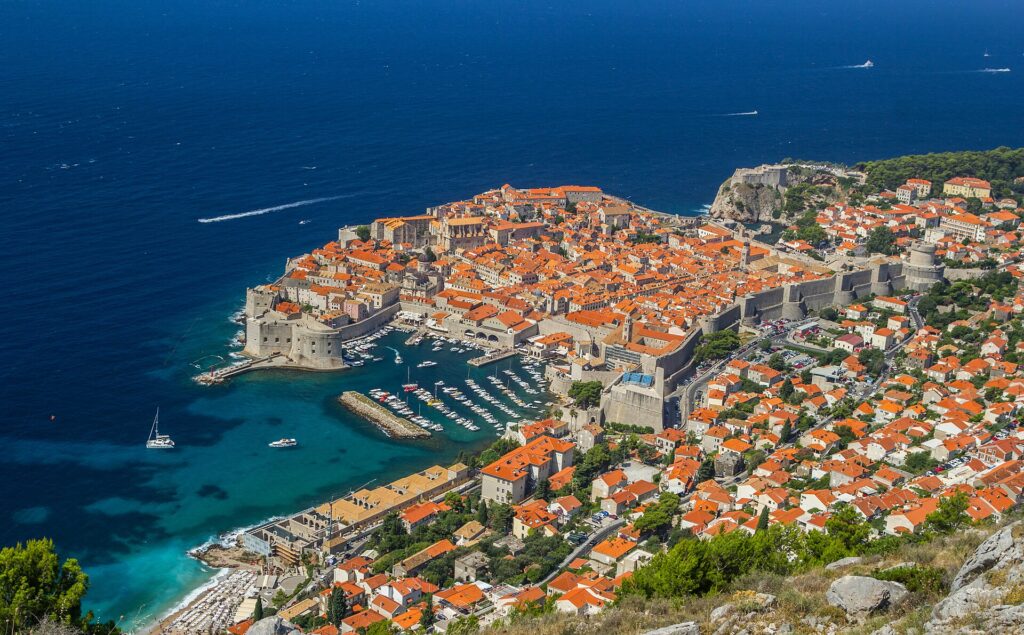
As a full member of the Schengen Area and Eurozone, Croatia has become a highly sought-after destination for international professionals. The tourism, IT, and construction sectors all face active labor shortages, creating real opportunities for foreign workers.
Before any work permit can be issued in Croatia, you must have an OIB (Osobni Identifikacijski Broj) — your Croatian Personal Identification Number. This tax ID number is required for signing contracts, opening bank accounts, and every legal procedure in Croatia. Your employer or our team arranges this for you.
Croatia's Croatian Employment Service (HZZ) must first confirm that no Croatian or EU citizen qualifies for your role. However, if your profession appears on Croatia's Shortage Occupation List — which includes many engineering, IT, construction, and healthcare roles — this test is completely waived, dramatically speeding up your permit.
Croatia uses a unified single document combining your right to live and work. The Ministry of Internal Affairs (MUP) — not a labor ministry — processes the permit at the local police station in the city where your employer operates.
1. OIB & Job Contract: Secure employment and get your OIB issued.
2. HZZ Clearance: Labor market test or shortage-list exemption.
3. MUP Permit Application: Employer submits at local police station.
4. Long-Stay Visa & Biometric Card: Collect your Croatian residence card.
Candidates with a university degree and a job offer paying at least 1.5x the Croatian average gross annual salary qualify for the EU Blue Card — bypassing the HZZ test entirely and allowing immediate family reunification.
Yes — Croatia is Schengen. Your residence card allows visa-free travel across all 27 Schengen countries for up to 90 days in any 180-day period.
Initial permits are issued for up to 1 year, renewable annually as long as employment continues.
Croatia adopted the Euro (EUR) on January 1, 2023 — replacing the Kuna.